Computing
Curriculum Intent
At Marlborough St Mary’s, our engaging, active curriculum is inclusive, experiential and rooted in our Christian values. We enrich children’s learning through practical, cross-curricular experiences that spark curiosity and resilience, enabling every child to thrive. We place a strong emphasis on the fundamental skills of reading and talk, ensuring our pupils develop a love of reading that opens doors to knowledge and imagination and the ability to communicate with clarity, confidence and respect. We want our pupils to feel a strong sense of connection: to each other, their families, our school and the wider community. Through partnerships with local schools, businesses and community groups, children learn to see their place in the wider world and understand how they can contribute positively to it. We also believe that joy should be at the heart of childhood. Our curriculum is deliberately designed to create moments of happiness, wonder and delight - experiences that make pupils smile, laugh and love learning.
Our curriculum is challenging, sequential and aspirational for all. It builds knowledge and skills over time while linking learning to real-life experiences. In doing so, we support children to grow independence, creativity and self-belief, preparing them to take their place as responsible and compassionate citizens of the Marlborough community and as citizens of the wider world.
Subject Intent
At our school, we know that with the high level of disadvantage in our community, it is vital that our children are given every tool they need to be part of the fast-moving world of Computing that will be an important part of their futures.
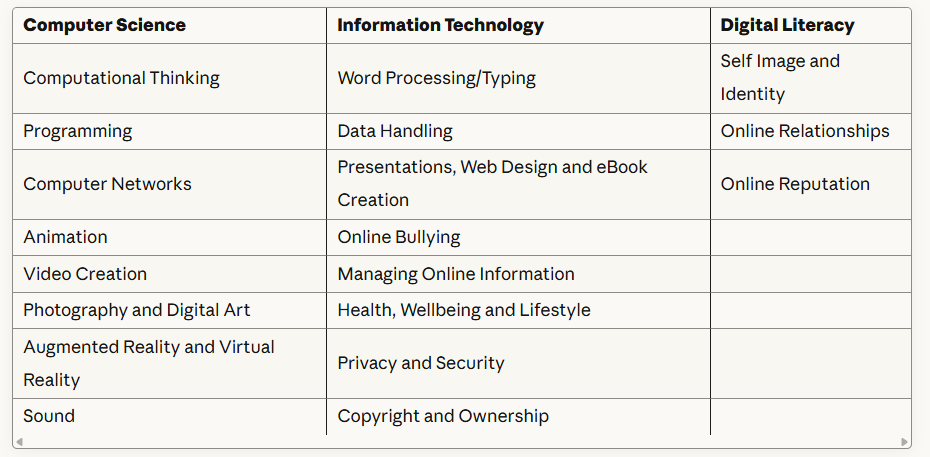
We want pupils to be MASTERS of technology and not slaves to it. We want our pupils to be creators not consumers, and our broad curriculum—encompassing computer science, information technology and digital literacy—reflects this.
Connection is at the heart of our Computing curriculum. We want pupils to understand how technology connects them to each other, their families, our school and the wider world. Through partnerships and collaborative projects, children explore how digital tools strengthen relationships and help them see their place in an increasingly connected world.
We embrace joy in Computing by deliberately planning experiences that spark excitement and wonder. We want children to experience the delight of creating through code, the satisfaction of solving problems, and the pleasure of sharing their digital creations.
Talk is embedded throughout our curriculum. Pupils articulate their thinking, explain their reasoning, debug collaboratively and discuss the digital world around them. Through rich dialogue, children develop vocabulary to express computational thinking and engage in meaningful conversations about online safety and digital responsibility.
To be truly digitally literate, pupils must be able to read the digital world critically. This means interpreting information online, understanding algorithms, recognizing bias, and evaluating source reliability. We teach children to 'read' code, data and digital messages with a critical eye.
Our knowledge-rich curriculum is balanced with opportunities to apply knowledge creatively. We encourage staff to embed computing across the whole curriculum to make learning creative and accessible. By Upper Key Stage 2, children have the independence and confidence to choose the best tool for any task.
Curriculum Implementation
We have created a comprehensive progression document where knowledge and skills build year on year. Our curriculum is structured around three key strands:
Talk is woven into every lesson through paired programming, collaborative problem-solving and regular opportunities to explain thinking using precise technical language.
Reading is developed through critically analyzing websites, interpreting data, following and debugging code, and engaging with texts about digital innovators and computing concepts.
Connection is fostered through collaborative digital projects with partners, creating content for real audiences (care homes, local businesses), and understanding how networks connect people globally.
Joy is deliberately planned through exciting activities, creative projects allowing personal expression, celebrating 'eureka moments', and creating a culture where experimentation is valued.
Impact
We constantly ask the WHY behind learning, not just the HOW. We want learners to discuss, reflect and appreciate computing's impact on their learning, development and wellbeing.
Through talk, pupils confidently articulate computing concepts and collaborate effectively to solve problems with growing computational vocabulary.
Through reading the digital world, pupils demonstrate critical thinking when encountering online information and approach new technologies with confidence.
The connections pupils make are evident in collaborative projects, responsible online relationships, and their understanding of themselves as part of a global digital community.
The joy in our curriculum is visible in pupils' enthusiasm, pride in their creations, persistence when problem-solving, and intrinsic motivation to explore technology.
We help children find the right balance with technology for an effective education and healthy lifestyle—one they can build on in their next stage of education and beyond.
Impact is demonstrated through how pupils showcase and publish their work and through reviewing knowledge and skills.. Progress is shown through outcomes and the record of coverage achieved. Most importantly, we see confident, creative, and responsible digital citizens who are masters of technology and ready for their futures